

If you’ve hit your 40s and suddenly feel like your usual meals aren’t keeping you full, you have stubborn weight around your midsection you just can’t lose, or you have strong sugar cravings… you’re not imagining it.
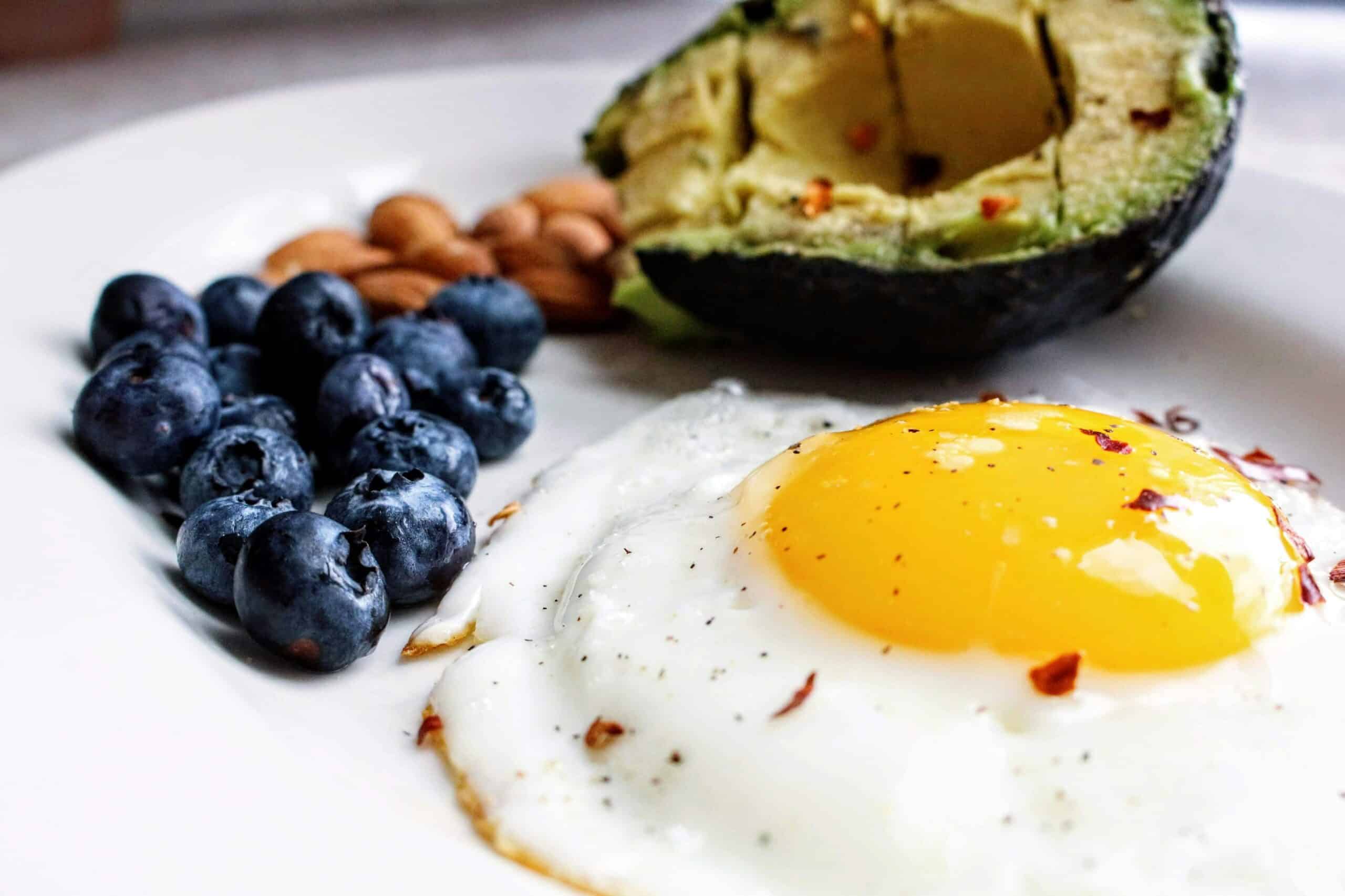
The other day, I had this nice bowl of oatmeal, but was hungry again an hour later. Not because I didn’t eat enough—but because I didn’t eat the right balance.
This is something I hear from my clients all the time.
After 40, your body changes—and protein becomes more important than ever.
Why Protein Needs Increase After 40
As you move through perimenopause and menopause, your body can become less efficient at using protein. (Thanks to reduced gastric acid and digestive enzymes, and weakened intestinal motility.) Your protein needs also increase as we enter menopause.
At the same time:
- You naturally start to lose muscle
- Your metabolism slows down
- Hunger and cravings can increase, thanks to a shift in hormones (see my Ultimate Guide to Menopause Nutrition for more on that)
This combination makes it easier to gain weight—especially around the midsection—and harder to feel satisfied after meals.
Protein helps counter all of this.
Benefits of Eating Enough Protein After 40
Getting enough protein each day can help:
- Preserve muscle mass
- Support metabolism
- Keep you full longer
- Reduce cravings (especially at night) (this is an issue for sooo many people; if this is you, make sure to check out a whole blog post I have devoted to Crushing Nighttime Sugar Cravings)
- Support healthy aging
For many women, simply increasing protein can be a game changer.
How Much Protein Do Women Over 40 Need?
You don’t need to overdo it – more isn’t necessarily better. A simple, realistic guideline:
- 20–30 grams of protein per meal (or less at each meal, but sprinkled throughout the day in snacks)
- 80–100 grams of protein per day
This isn’t a strict rule—but it’s a great starting point for most women.
Your exact needs may vary depending on:
- Body size
- Activity level
- Health goals
The Most Common Protein Mistake After 40
The biggest mistake I see?
Not eating enough protein earlier in the day
Many women:
- Skip protein at breakfast
- Eat a light lunch (like just a salad)
- Don’t utilize snacks as an opportunity for nutritious additions
- Then feel overly hungry at night
This often leads to:
- Evening cravings
- Overeating
- Feeling “out of control” with food
- Variations in blood sugar causing mood swings and, possibly, insulin resistance and stubborn extra weight
A Simple Way to Start Eating More Protein
You don’t need to overhaul your entire diet.
Start with one question:
“Where can I add protein to this meal?” or “Where’s a place in my diet where I can swap out something not-so-nutritious with a protein?”
Examples:
- Add Greek yogurt to breakfast
- Add chicken, beans, a hard boiled egg, or tofu to salads
- Include a protein-rich snack if needed (this is a great way to squeeze in more protein to meals that don’t quite add up)
Small changes make a big difference.
If your body feels different after 40, it’s not your imagination—and it’s not a lack of willpower.
Your nutrition needs have changed.
Focusing on protein is one of the simplest, most effective ways to:
- Feel fuller
- Support your metabolism and your changing hormones
- Improve your overall health and functionality (like I always say, I want to be able to get off the toilet by myself when I’m 80 😉
Do I Need to Take a Protein Supplement?
The short answer is…no. I take a food-first approach. If you can meet your protein needs with whole foods, then you don’t need a protein supplement.
But if you find yourself short on protein, adding a protein powder or bar can be a helpful tool. I like to think of it as filling in the gaps, not relying on it.
Protein powders or supplements can make sense if you:
- Skipped a meal or can’t eat enough protein with food alone
- Need an on-the-go snack you can throw in your purse
- You’re too busy to find/make a balanced snack, so a protein bar is an easy, one-and-done choice
What to Look for in a Protein Powder
- Keep it simple
- 20-25 g protein per scoop
- Short ingredient list
- Added sugars that add up to no more than 5 grams per scoop (6-10 g would be moderate sugar)
- Third-party tested (if possible)
- For some of my favorite protein powders, visit my post on Protein Coffee
What to look for in a Protein Bar
- At least 10-15 grams protein
- Some fiber (at least 3 grams per serving) (This helps slow down sugar absorption and keeps you satisfied)
- No more than 6-8 grams of sugar per bar
So, focus on whole foods first and use supplements to fill in the gaps for balance.
Not sure if your diet is ready for menopause?
Here is Your Sample 4 day Menopause Meal Plan:
Day 1
Breakfast
Cottage cheese bowl
- 1 cup cottage cheese
- ½ cup fruit
- 1 tbsp walnuts
~25g protein
Lunch
Tuna salad bowl
- 1 can tuna (5 oz)
- 2 cups greens (or more)
- ½ cup chickpeas
- 1 tbsp olive oil
~30g protein
Snack
- 2 hard-boiled eggs
- 1 cup carrots
~12g protein
Dinner
Turkey meatballs + pasta
- 4–5 turkey meatballs (~4 oz total)
- 1 cup cooked pasta
- 1–2 cups salad
~30g protein
Day 2
Breakfast
Protein smoothie
- 1 scoop protein powder (20–25g protein)
- 1 cup milk
- ½ banana
- 1 tbsp peanut butter
~25–30g protein
Lunch
Leftover turkey bowl
- 4 oz turkey meatballs
- 1 cup veggies (or more)
- ½–1 cup quinoa or rice
~25–30g protein
Snack
- 1 cheese stick
- 1 apple
~8–10g protein
Dinner
Shrimp tacos
- 4 oz shrimp
- 2 corn tortillas
- ½ avocado
- 1 cup slaw
~25–30g protein
Day 3
Breakfast
Egg + avocado toast
- 2–3 eggs
- 1 slice whole grain toast
- ¼–½ avocado
- 1 fruit
~20–25g protein
Lunch
Chicken Caesar (upgraded)
- 4–5 oz grilled chicken
- 2 cups romaine
- 2 tbsp dressing
- ¼ cup chickpeas or croutons
~30g protein
Snack
- ¾–1 cup Greek yogurt
- Berries
~15–20g protein
Dinner
Baked cod plate
- 4–5 oz cod
- ½–1 cup brown rice
- 1 cup green beans (or more; veggies are unlimited)
- 1 tbsp olive oil
~25–30g protein
Day 4
Breakfast
Protein pancakes
- 2 pancakes (made with ~2 eggs or protein powder)
- ¼ cup Greek yogurt on top
- Berries
~25g protein
Lunch
Lentil soup
- 1½ cups lentil soup
- Side salad
~20–25g protein
Snack
- ½–1 cup cottage cheese
- 10–15 almonds
~15–20g protein
Dinner
Chicken + potatoes
- 4–5 oz chicken
- 1 cup roasted potatoes
- At least 1–2 cups veggies
~30g protein
This content is for educational purposes only and is not intended as medical advice. It should not replace guidance from your physician or other qualified healthcare provider. Always consult your healthcare provider before making changes to your diet or health routine.
https://shorturl.fm/xmtkN
https://shorturl.fm/CV4NX
https://shorturl.fm/o3TnR
https://shorturl.fm/paHDC