

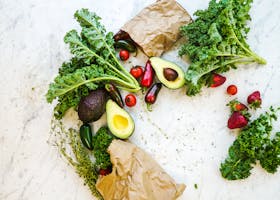
Food plays a key role in gut health during hormonal changes like perimenopause, menopause, and the menstrual cycle. Here are some simple food choices and swaps that can support digestion, reduce bloating, improve energy, and help balance hormones.
How Hormonal Changes Affect Gut Health
Hormones like estrogen and progesterone help control digestion and gut movement. When hormone levels shift, digestion can slow down, leading to bloating or constipation. Hormones also affect gut bacteria, which play a role in immunity, inflammation, and even mood.
Your gut health and hormones are deeply connected. Research shows that gut bacteria help regulate estrogen levels and influence inflammation, digestion, and overall health—especially during hormonal changes like perimenopause and menopause. When the gut microbiome is out of balance, hormone symptoms can feel worse. Eating foods that support a healthy gut may help improve estrogen balance, reduce inflammation, and support better health during hormonal shifts.
Your gut bacteria help “talk” to your hormones. Through this connection, the gut microbiome can influence metabolism, appetite, weight, and even reproductive health by affecting hormones like estrogen and testosterone. An unhealthy gut may contribute to hormone-related issues such as insulin resistance or PCOS. Supporting gut health with probiotics (beneficial bacteria) and prebiotics (the fiber that feeds them) may help improve digestion, immune health, and hormone balance. While research is still growing, this gut-focused approach shows promise for supporting overall health during hormonal changes.
How Estrogen Changes Can Affect the Gut and Immune System
After menopause, estrogen levels drop. This doesn’t always mean the gut loses all its good bacteria, but estrogen does play an important role in the immune system. Estrogen helps guide how immune cells work, and the immune system and gut bacteria are closely connected. When estrogen levels change, the immune system can shift — and this may lead to changes in the gut microbiome over time.
Menopause, Metabolism, and Gut Health
Menopause is also linked with a higher risk of metabolic changes, such as insulin resistance, weight gain around the belly, and changes in cholesterol. Research suggests that these metabolic shifts may be connected to changes in gut bacteria. Certain genes involved in immunity and energy metabolism have been linked to gut microbiome patterns, meaning the way a woman’s body processes energy after menopause may influence — and be influenced by — gut health.
Why Lower Estrogen May Change Gut Bacteria
One possible reason for these changes is reduced nutrient availability in the gut. Estrogen helps with calcium absorption in the intestines. After menopause, lower estrogen may reduce calcium levels in the gut, which some beneficial bacteria need to grow. When these nutrients are limited, gut bacteria may compete for space and resources, changing the overall balance of the microbiome.
Gut Bacteria, Energy Production, and Immune Strength
Certain gut bacteria help break down carbohydrates and amino acids, which supports basic energy needs in the body. In premenopausal women, one key pathway — the pentose phosphate pathway — is more active. This pathway helps produce NADPH, a molecule that supports immune function and helps immune cells fight infections. This may help explain why premenopausal women often have stronger immune responses than postmenopausal women.
What This Means for Gut Health After Menopause
Together, these findings show that the gut microbiome looks and functions differently before and after menopause. These changes may increase the risk of immune and metabolic conditions in postmenopausal women. Supporting gut health through food, lifestyle habits, and possibly targeted probiotics may help improve digestion, immunity, and overall health during this stage of life.
And if you’re looking for the ultimate guide to menopause nutrition, read this post!
Best Foods for Gut Health During Perimenopause
In peri-menopause, estrogen levels are generally higher and more stable. This supports gut bacteria diversity and digestion. The goal at this stage is to maintain balance, support regular digestion, and reduce inflammation.
1. Fiber-Rich Plant Foods
Fiber feeds healthy gut bacteria and supports regular bowel movements. Fiber supports estrogen metabolism and helps prevent bloating and constipation.
- Oats
- Beans and lentils
- Berries
- Leafy greens
- Broccoli
2. Fermented Foods (Probiotic Foods)
These foods add helpful bacteria to the gut. Premenopausal women often respond well to probiotic foods because gut bacteria are more resilient at this stage.
- Yogurt with live cultures
- Kefir
- Sauerkraut
- Kimchi
3. Lean Protein
Protein helps stabilize blood sugar, which supports both hormones and digestion. Protein helps stabilize blood sugar, which supports both hormones and digestion.
- Eggs
- Chicken or turkey
- Fish
- Tofu or tempeh
4. Healthy Fats
Healthy fats support gut lining health and reduce inflammation. These fats help protect the gut and support hormone signaling.
- Olive oil
- Avocado
- Nuts and seeds
Best Foods for Gut Health During Menopause
During menopause, estrogen levels drop. This can affect gut bacteria, digestion speed, calcium absorption, immune function, and inflammation. The focus shifts to protecting gut bacteria, reducing inflammation, and supporting metabolism.
Higher-Fiber Foods
Fiber is even more important after menopause but may need to be increased gradually. Fiber supports cholesterol removal, blood sugar control, and gut bacteria that may decline after menopause. Introduce slowly if you’re not used to eating a lot of fiber.
- Oats and barley
- Lentils and chickpeas
- Chia and flax seeds
- Fruits and vegetables
2. Calcium and Vitamin D-Rich Foods
These nutrients support gut health and bone health, which can both be affected after menopause. Lower estrogen can reduce calcium absorption, which may impact gut bacteria and overall health.
- Yogurt and kefir
- Sardines
- Fortified plant milks
- Leafy greens
3. Omega-3 Rich Foods
Omega-3 fats help reduce inflammation and support gut and immune health. Inflammation tends to increase after menopause, which can affect digestion and gut comfort.
- Salmon
- Trout
- Walnuts
- Ground flaxseed
4. Fermented Foods (Small, Consistent Amounts)
Some women become more sensitive to large amounts of fermented foods after menopause. Regular, small servings support gut bacteria without triggering bloating.
- Yogurt
- Kefir
- Sauerkraut
- Miso
- Kimchi
5. Adequate Protein at Every Meal
Protein needs increase with age to support muscle and metabolism. Protein helps balance your blood sugar and reduces digestive stress.
- Fish
- Eggs
- Lean meats
- Greek yogurt
- Tofu
Ready to shake up your metabolism?? Get your Menopause Metabolism Reset Checklist here!
Gut health needs change as hormones change. Before menopause, the goal is to maintain balance with a variety of fiber-rich foods, fermented foods, protein, and healthy fats. After menopause, lower estrogen can affect digestion, inflammation, and metabolism, making fiber, omega-3 fats, calcium-rich foods, and consistent protein even more important.
No matter the stage, supporting your gut with whole foods and listening to your body can improve digestion, hormone balance, and overall health.
To your healthy gut!
Tap into unlimited earning potential—become our affiliate partner!
Turn your traffic into cash—join our affiliate program!
Maximize your earnings with top-tier offers—apply now!
Start earning passive income—join our affiliate network today!
Become our partner and turn referrals into revenue—join now!
Join our affiliate community and maximize your profits—sign up now!
Maximize your earnings with top-tier offers—apply now!
Apply now and receive dedicated support for affiliates!